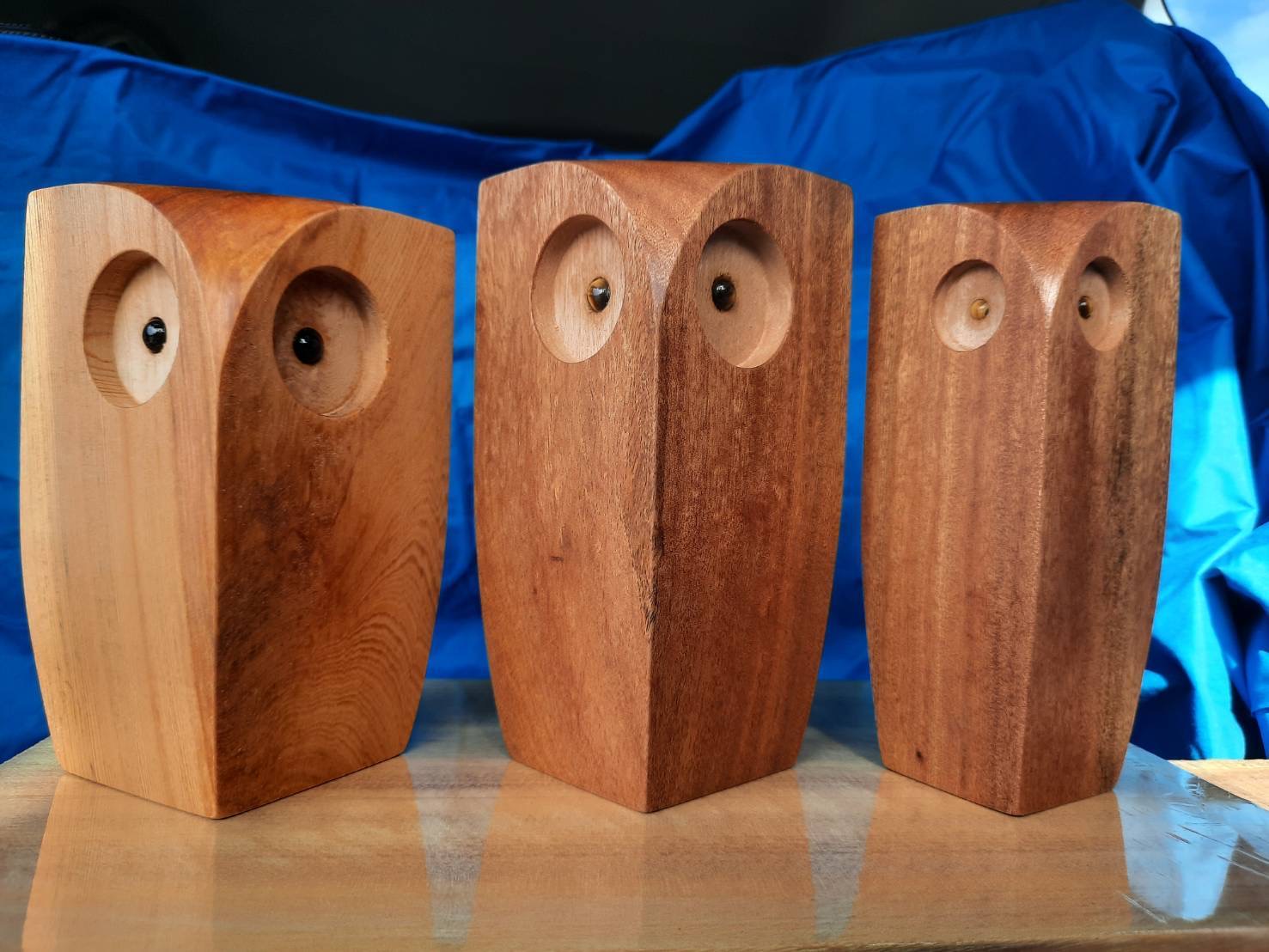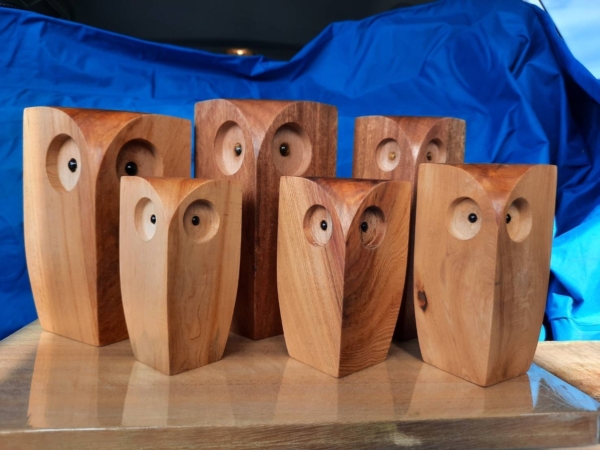
The Collectible Value and Benefits of Taiwan Hinoki Wood Artworks
Taiwan Hinoki (Chamaecyparis formosensis) is a rare and precious wood species native to Taiwan, highly valued for its durability, unique grain, aromatic scent, and increasing scarcity. As a result, artworks made from Hinoki wood are highly sought after by collectors and art enthusiasts. Below is a detailed introduction to the collectible value, benefits, and advantages of Taiwan Hinoki wood artworks.
1. Collectible Value
✔ Rarity and Natural Preciousness
Taiwan Hinoki is a rare and protected tree species that grows extremely slowly. Due to its limited availability, authentic Hinoki wood artworks are highly valuable and have long-term appreciation potential. Pieces crafted by renowned artisans or with historical significance are particularly prized.
✔ Historical and Cultural Significance
Hinoki wood plays an important role in Taiwanese architecture, religion, art, and traditional craftsmanship. Many temples, palaces, and historic buildings are constructed using Hinoki wood, remaining well-preserved for centuries. Therefore, artworks made from Hinoki wood hold deep cultural and historical significance.
✔ Investment Potential
Due to its scarcity and steady demand, Hinoki wood maintains a stable market value with potential for appreciation. Hand-carved, limited edition, or antique Hinoki artworks hold long-term investment value, making them ideal for collectors and family heirlooms.
2. Advantages and Other Benefits of Hinoki Wood Artworks
✔ Unique Natural Grain and Color
Hinoki wood features fine, elegant grain patterns and a golden to amber hue. Over time, its color deepens and develops a rich, warm luster, enhancing its aesthetic and collectible appeal.
✔ Naturally Aromatic with Therapeutic Effects
Hinoki wood emits a calming, woody fragrance due to its natural essential oils. This scent reduces stress, enhances relaxation, and purifies indoor air, making Hinoki artworks not just visually appealing but also beneficial for well-being.
✔ Exceptional Durability and Resistance to Decay
Rich in Hinokitiol (a natural antibacterial and antifungal compound), Hinoki wood is naturally resistant to insects, mold, and decay. Even in humid environments, it remains intact without warping, cracking, or rotting, making it ideal for long-term preservation.
✔ Feng Shui and Energy Balancing
In Feng Shui, Hinoki wood is believed to enhance positive energy, stabilize the environment, and ward off negative influences. Many people place Hinoki wood Buddha statues, deities, or auspicious carvings in their homes or offices to attract good fortune and balance energy.
✔ Perfect for Family Heirlooms
Due to its high collectible value and longevity, many families pass down Hinoki furniture and sculptures as heirlooms, making them timeless treasures for future generations.
3. Common Types of Taiwan Hinoki Wood Artworks
✔ Hinoki Wood Carvings
‧ Religious Sculptures (Buddha, Guanyin, Guan Yu, Mazu, etc.)
‧ Shrines and Altar Tables
‧ Feng Shui Statues (Dragon, Tiger, Pixiu, Qilin, etc.)
‧ Figurines and Animal Sculptures (Longevity gods, Daruma, Eagles, Tigers, etc.)
✔ Hinoki Wood Furniture
‧ Tables, Chairs, and Tea Tables
‧ Classical Antique Furniture & Altars
‧ Collector’s Screens and Cabinets
✔ Handcrafted Daily Use Items
‧ Incense Holders and Wooden Beads
‧ Stationery Items (Pen Racks, Ink Boxes)
‧ Tea Sets and Wooden Cups
4. How to Choose High-Quality Hinoki Wood Artworks?
✔ Verify the Wood Source
Authentic Taiwan Hinoki wood should come from legitimate sources. Some sellers may substitute similar woods (such as Japanese Hinoki or Red Hinoki). It is best to purchase from reputable sellers or artists and inquire about the wood’s origin.
✔ Observe the Grain and Texture
Genuine Taiwan Hinoki has fine, smooth grain patterns with a natural luster due to its essential oil content. Overly rough grain or artificial coloring may indicate counterfeit or lower-quality wood.
✔ Smell the Natural Aroma
Hinoki wood has a distinct mild, woody scent. If an artwork has no fragrance or smells synthetic, it may be a processed or low-quality substitute.
✔ Choose Hand-Carved and Renowned Artisans
Hand-carved pieces exhibit delicate craftsmanship and unique character, making them more valuable. Artworks signed by master artisans often hold higher appreciation potential over time.